The Truth About Viking Horned Helmets: How One of History’s Biggest Myths Was Born
For as long as pop culture has shown Vikings, they’ve been charging across movie screens and comic pages with magnificent, curling horns jutting from their helmets. It’s an image so iconic that most people believe it must have some root in reality. But the truth is far more surprising and honestly, a lot more interesting.
The Vikings never wore horned helmets.
- Not in battle.
- Not in ritual.
- Not even for special occasions.
And yet the myth became one of the most recognizable symbols of the Viking Age. So where did it come from? Why do people still picture Vikings this way? And what did Norse warriors actually put on their heads?
Let’s peel back 1,200 years of misunderstanding and find out the answer to: What's with the horns?
What Viking Helmets Really Looked Like
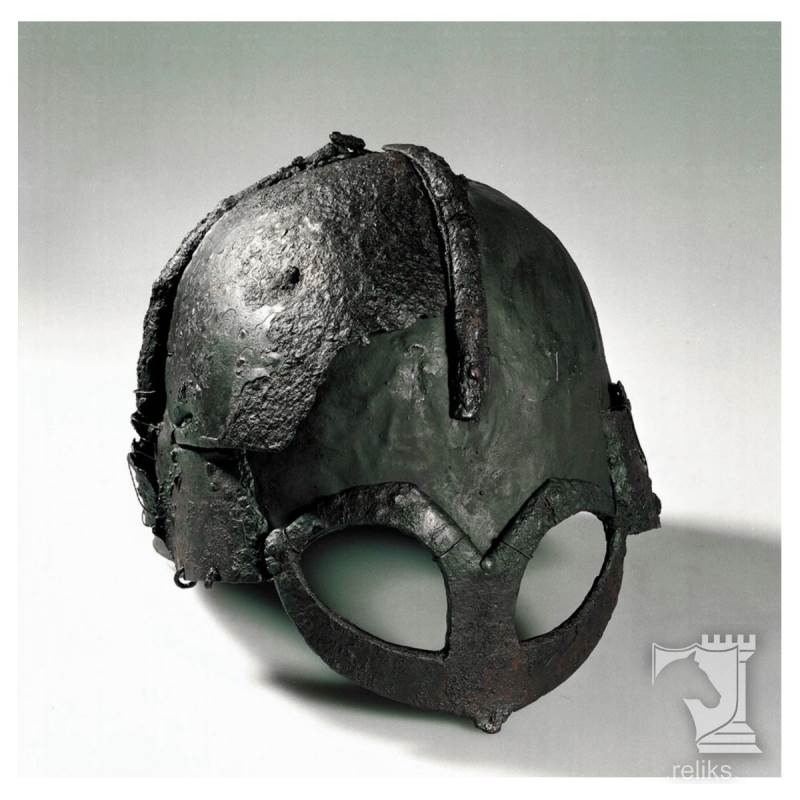
Viking Age: the Gjermundbu helmet discovered in Norway
Archaeologists have uncovered exactly one fully preserved helmet from the Viking Age: the Gjermundbu helmet discovered in Norway. It is practical, domed, iron-bound, and absolutely horn-free. Other helmet fragments from the period tell the same story, no horns, no decorative mounts and no ornate antlers waving in the wind.
Real Viking warfare simply didn’t allow for it. Viking shield-walls were tight, brutal environments where gear snagging on your neighbour could cost you your life. The longships they fought from were cramped. And Vikings valued function over fantasy. Horns on a helmet would have been a clumsy liability, not a fearsome advantage.
So if Vikings didn’t wear them… who did?
The Oldest Horned Helmets Are 1,500 Years Older And Not Viking At All
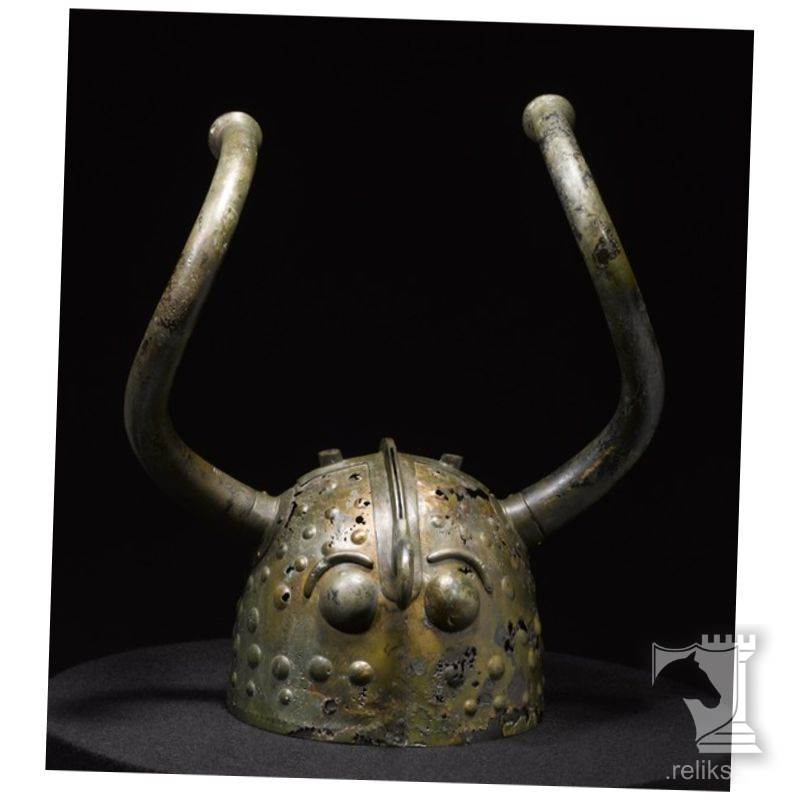
Viksø (or Veksø) helmet
To find a horned helmet, you have to travel way back, before the Viking Age to the European Bronze Age, around the 9th–8th century BCE. That’s where the stunning Viksø (or Veksø) helmets appear. Crafted from bronze, beautifully decorated, and indeed sporting large horns, they belonged to a culture that lived thousands of years before the Vikings ever raided their first shore.
These helmets were ceremonial, not military. Their delicate construction and elaborate design show they were meant for ritual, not battle. They likely symbolized deities, animals, or cosmic forces. They were impressive, spiritual showpieces, not practical armour.
So how did a Bronze Age ritual helmet become “the Viking look”?
The answer lies not in ancient Scandinavia, but in 19th-century Europe.
Opera, Romanticism, and the Birth of a Worldwide Misconception
The horned Viking helmet myth didn’t rise from archaeology. It rose from art. Specifically, the explosive Romantic fascination with Norse sagas during the 1800s. Painters, poets, and historians were swept up in the drama of ancient northern Europe, and they wanted visuals that captured raw, mythic energy.
The turning point came in 1876, with the premiere of Richard Wagner’s monumental opera cycle Der Ring des Nibelungen. Designer Carl Emil Doepler created costumes for the production and decided to give the Viking characters horned helmets to heighten their theatrical presence.
The audience loved it. Newspapers sketched it. Painters copied it. Advertisers borrowed it. And from that moment on, Viking horns became artistic shorthand or a dramatic exaggeration that overtime hardened into “truth” in the public imagination.
If you’ve ever seen a cartoon Viking, a Halloween costume, or a sports logo with horns? You’ve seen the legacy of a 19th-century costume designer.
Why the Myth Survives and Why It Isn’t Entirely Bad
There’s a reason horned helmets stuck around. They’re visually striking. They look wild, untamed, and powerful. They tap into everything pop culture loves about Vikings: the ferocity, the mysticism, the larger-than-life energy.
Even though historians have spent decades correcting the misconception, the image keeps showing up because it has become a symbol , not of historical accuracy, but of Viking mythology.
And that’s not necessarily a problem… as long as we know the difference.
The reality is fascinating in its own right. Viking helmets were robust, iron-bound, and engineered for survival in brutally close combat. They were worn by warriors standing shoulder to shoulder, locked in shield-walls, braving axes, spears, and arrows. Their designs tell a story of pragmatism, craftsmanship, and real historical warfare; a story that needs no embellishment.
The Final Verdict: Cool? Yes. Historical? Not even close.
The mighty Viking horn-helmet will probably never disappear from movies, theme parks, or Halloween stores, and that’s okay. It has become part of modern folklore. They are a symbol of the imagined Viking world rather than the historical one.
But the next time someone asks whether Vikings really wore horned helmets, you can give them the fun truth:
The horns belong to Bronze Age rituals and 19th-century opera. The Vikings themselves preferred iron, not antlers.