Caring for Your Sword During Harsh Northern Winters
Your friendly Canadian winter survival guide for sword collectors
For most of the year, caring for a sword is pretty straightforward: keep it clean, keep it dry, and don’t hit anything you don’t intend to hit. But for those of us living in northern climates like our home base in London, Ontario, winter brings its own unique challenges. When temperatures plunge and humidity drops, swords made of high-carbon steel, wood, leather, and other natural materials start behaving… differently. If you’ve ever noticed your scabbard getting tight, your katana’s saya feeling loose, your handle wraps drying out, or your blade developing unexpected spots despite regular oiling, you’re not imagining things. Winter can be rough on swords but with a little know-how, your collection will stay protected through every cold snap. Think of this guide as your friendly, collector-approved survival manual for the Great White North.
Why Winter Is Tough on Swords
Winter doesn’t just bring snow. It brings dry indoor heat, rapid temperature swings, reduced humidity that can dip below 20%, and sudden condensation when cold steel warms too quickly. High-carbon blades rust faster when moisture condenses on them, and the wooden components like handles, scabbards, and saya shrink as humidity drops. Leather wraps stiffen, ray skin can contract, and fittings that once sat perfectly may start to loosen or shift. A sword doesn’t need to be used to take damage; winter alone can do it if you’re not prepared.
Keep a Stable Climate: The #1 Winter Secret
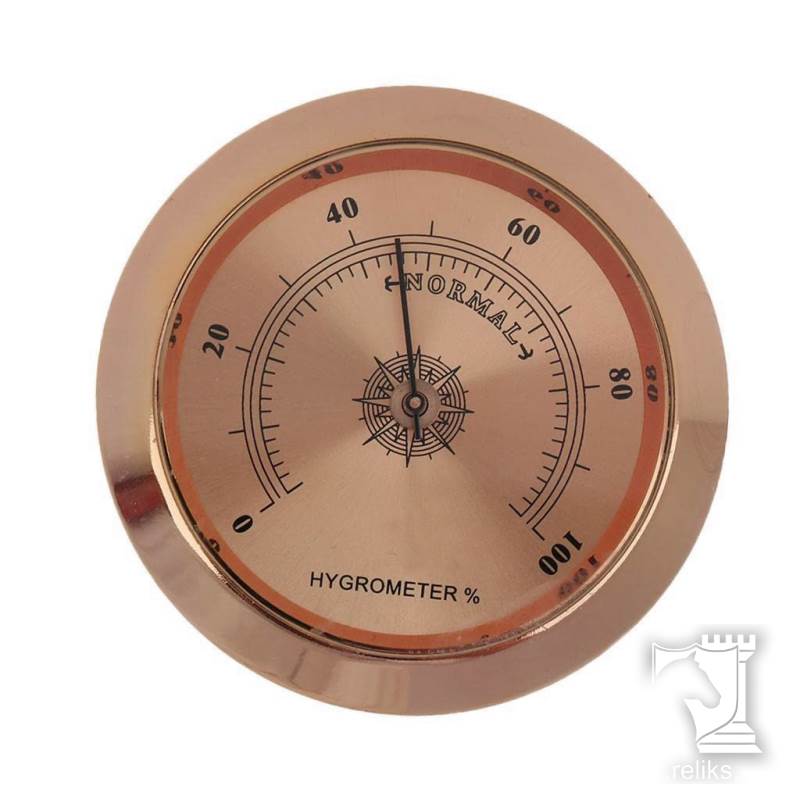
Old Style Hygrometer
Nearly every winter sword-care issue like rust, shrinking wood, loose guards, warped saya, twisting scabbards all stem from one root problem; unstable indoor humidity. The most effective protection you can give your collection is a stable environment maintained at 35–45% humidity
with a consistent, moderate temperature. When the climate stays steady, wood cores don’t dry out or twist, leather doesn’t crack, fittings stay secure, and the oil on your blade remains where it belongs instead of being drawn into thirsty scabbard walls.
In many well-regulated modern homes, this single step eliminates the need for most extra winter precautions such as taping saya openings, sealing scabbards, or dramatically increasing oiling frequency. Placement still matters, so avoid displaying swords on exterior walls, near drafty windows, or anywhere exposed to direct sunlight, furnace vents, space heaters, or fireplaces. These spots create microclimates that can undo your efforts even if the rest of the home is perfectly regulated. A digital hygrometer
is one of the most valuable tools a collector can own, offering real-time feedback and helping you make small adjustments before problems start. A stable climate doesn’t just simplify winter maintenance, it extends the lifespan of every material in your sword.
Acclimation: The Most Overlooked Winter Rule
One of the easiest ways to accidentally damage a blade in winter happens before you even take it out of the box. A sword that arrives cold from a delivery truck or has been transported in a cold car will immediately attract condensation when brought into a warm room. Unboxing or unsheathing too soon can create flash rust in minutes. The winter rule is simple: if the sword is cold, leave it in the box and sealed for several hours so it can warm up gradually and safely.
Oil More Often in Winter
Cold, dry air makes steel more reactive, and the wood inside scabbards and saya can pull small amounts of moisture and oil away from the blade. Your usual maintenance schedule might not be enough during the coldest months. Oiling the blade every 2–4 weeks
adds a reliable layer of protection, and katana owners may want to store the blade lightly oiled inside the saya
during dry spells to help the wood maintain its shape.
Renaissance Wax: Your Winter Armor
A thin coat of Renaissance Wax creates a protective barrier that helps stabilize moisture levels in wood, prevent cracking in leather, and guard steel against corrosion. It is safe for blades, guards, pommels, wooden handles, scabbards, leather wraps, and even cord components. During the deep cold months, this extra layer of protection can make a noticeable difference.
The Winter Scabbard Catch-22: When Storing Blades Inside Can Help More Than It Hurts
"First they tell me to take them out, then they tell me to put them back in"
Under normal conditions, long-term blade storage inside a scabbard or saya isn’t recommended because trapped moisture and uneven oil absorption can put steel at risk. Winter changes the rules. As humidity drops, scabbards and saya lose moisture quickly, which can cause warping, twisting, or loose fittings. Storing a katana in its saya during winter helps slow this moisture loss, with the sealed throat and the blade itself working together to stabilize the shape of the wood. If you prefer displaying your katana bare, covering the saya opening with a small piece of electrical tape can help retain moisture. Even with this method, winter is still the time to keep the blade lightly oiled and ideally resting inside the saya whenever possible.
European swords face the same seasonal dilemma. Their wood-core scabbards can shrink or twist when the air becomes too dry. Keeping an oiled blade sheathed helps preserve the scabbard’s internal moisture and shape, but because this also puts steel in a more humid micro-environment, the blade must be checked more often. Regular cleaning, inspection, and re-oiling ensure the sword never sits too long against wood that may absorb its protective coating. With a little extra attention, both scabbard and blade stay healthy throughout the winter, turning a maintenance catch-22 into a win-win for your sword.
Leather, Wood, and Wraps Need Extra Care
Winter dryness pulls essential oils from leather, wood, and other organic materials. A neutral, museum-safe leather conditioner
can help maintain grips and scabbard bands without over-softening them, and Renaissance Wax is preferable for wood or ray skin since it protects without saturating the fibers. Monitor wooden handles for signs of shrinkage, but wait until spring before performing any structural adjustments to avoid cracking or over-tightening when humidity returns.
Never Make Permanent Adjustments in Winter
Because winter temporarily shrinks organic materials, any permanent adjustments you make like re-peening a pommel, tightening a guard, or compressing a tsuka may cause damage once the humidity rises and the materials expand again. Unless a safety issue forces your hand, hold off until spring. Your fittings will thank you.
Winter Handling & Display Tips
When handling blades in winter, wear gloves
to prevent uneven oils from dry hands transferring to the steel. Keep swords away from heat sources such as baseboards, vents, fireplaces, or stove rooms, which can drastically dry out natural materials. A small humidifier can help maintain consistent humidity, and silica gel packs should be avoided during winter since they can over-dry materials that already need moisture stability.
Transporting Swords in Winter
Moving a sword from warm indoor air into the cold and back again is the perfect recipe for condensation inside a scabbard. To prevent this, seal the sword in a plastic bag before taking it outside, transport it in a padded case rather than a cold trunk, and always allow it to warm slowly before opening the case. This simple habit can prevent some of the most common winter rust surprises.
Your Sword Will Survive Winter, With a Little Help
Northern winters are tough on everything from cars, skin, doors, boots, and yes, swords. But with steady climate control, regular oiling, thoughtful storage, and a little seasonal awareness, your collection can sail through the coldest months without trouble. A few minutes of prevention now means your swords will look just as good in February as they do in July.